Preparing for Change: Housing Market Predictions 2026 Explained


As the actual estate landscape continues to evolve, knowledge how ai is changing real estate in usa is essential for investors, landlords, and property managers seeking to produce informed decisions. Market rounds are inspired by financial changes, demographic styles, and policy improvements, all of which form offer, need, and property values. An expert prospect on 2026 features both options and possible difficulties in the year ahead.

Economic Conditions and Fascination Prices
One of the main drivers behind housing industry predictions 2026 is the direction of interest rates. Mortgage costs somewhat effect customer affordability and overall demand. If rates stabilize or decrease, purchasing power might increase, encouraging increased house income activity. However, regularly large costs can reasonable cost growth and gradual exchange volumes.
Inflation developments and employment information may also enjoy important roles. A solid work industry an average of supports property need, while economic uncertainty can result in cautious buyer behavior. Investors must directly check macroeconomic signals to anticipate changes in momentum.
Catalog and Present Tendencies
Property supply stays a central concept in property industry forecasts 2026. In many areas, confined supply has reinforced value resilience despite affordability concerns. New structure activity, zoning reforms, and material charges will impact how fast supply may match demand.
If housing begins increase meaningfully, markets might experience more healthy conditions. However, if source restrictions persist, competition for accessible properties can keep price balance in attractive regions.
Demographic Impacts
Demographic designs are still another important element surrounding housing industry predictions 2026. Millennials and Technology Z continue steadily to enter excellent homebuying decades, driving need for both entry-level homes and rental properties. At once, aging homeowners may impact downsizing styles and shifts in property preferences.
Downtown versus suburban migration habits might also strengthen, with consumers prioritizing affordability, life style freedom, and use of amenities. These growing preferences will affect equally rental and control markets.
Hire Market Outlook
For landlords and home managers, hire need is expected to stay steady in 2026. Affordability difficulties in homeownership may carry on to support a powerful rental sector. While rent development might normalize in comparison to previous spikes, occupancy rates in well-managed properties will likely remain healthy.
Investors should give attention to functional efficiency, tenant retention strategies, and technology-driven administration instruments to increase earnings in a aggressive environment.
Local Variability
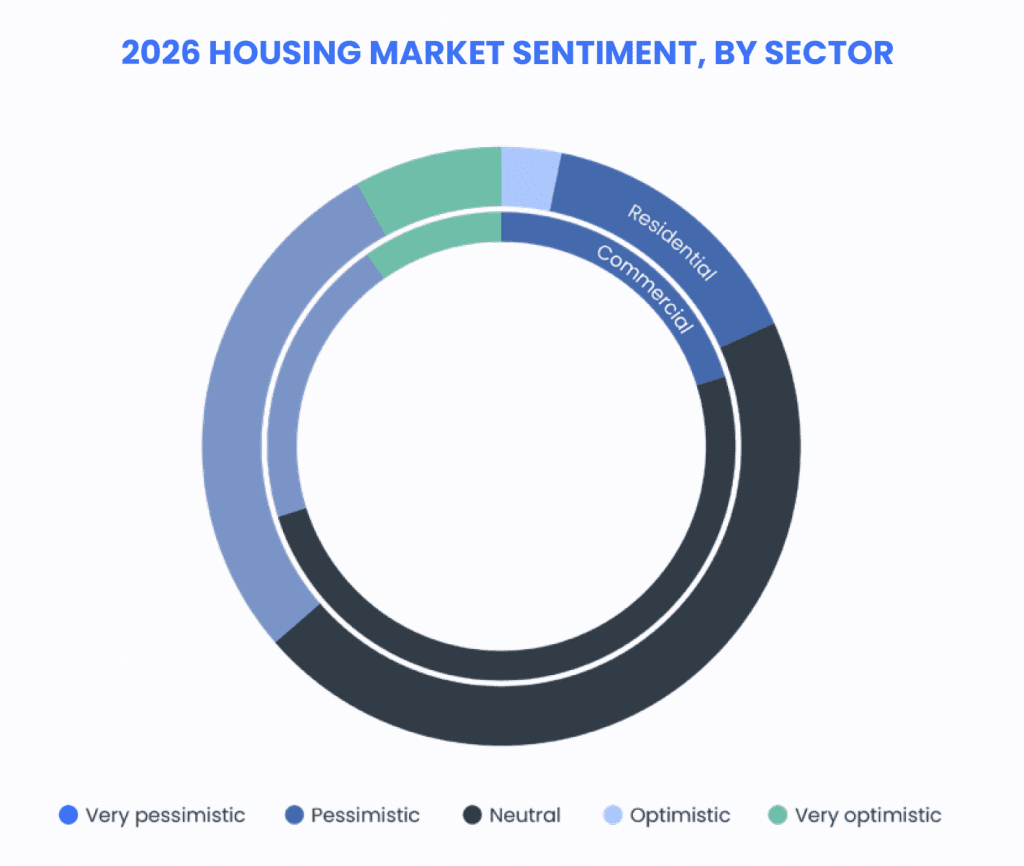
Property industry predictions 2026 will not be standard across all regions. Areas with strong work development, population migration, and economic diversification are more prone to outperform. In comparison, parts experiencing financial stagnation or oversupply may possibly knowledge slower appreciation.
Careful local market evaluation is essential. National trends offer context, but property remains inherently location-driven.
Strategic Planning for 2026
Finding your way through 2026 requires flexibility and data-driven decision-making. Investors must evaluation financing methods, assess account efficiency, and contemplate diversification to mitigate risk. Home owners can also take advantage of strengthening money reserves and tracking plan developments that may affect taxation or hire regulations.
Conclusion
Property market predictions 2026 level toward a far more balanced and logically driven real-estate environment. While economic factors and fascination costs may shape overall activity, demographic demand and source makeup remain key pillars of stability. By remaining knowledgeable and adopting a aggressive method, investors and property experts may steer 2026 with full confidence, placing themselves for sustainable development in a changing market.